Loneliness can quietly affect daily life, especially for individuals living alone in Minneapolis, MN. Over time, it impacts emotional health, physical activity, and overall quality of life. This guide connects real-life challenges with practical solutions, showing how adult companion care creates meaningful daily connections and long-term well-being.
When Daily Silence Becomes a Health Risk: Recognizing the hidden impact of loneliness at home
Loneliness is not just an emotional experience. It gradually affects mental clarity, physical health, and motivation. In Minneapolis, many individuals face isolation due to lifestyle changes, aging, or health conditions, making early awareness essential.
- Emotional Withdrawal: Lack of interaction can lead to feelings of sadness and disconnection from everyday life
- Cognitive Decline: Limited conversations may slow mental stimulation and memory function over time
- Reduced Physical Activity: Isolation often decreases movement, which impacts strength and overall health
- Loss of Routine: Without engagement, daily structure begins to fade, affecting consistency in care
These effects naturally lead to exploring what causes loneliness in home care environments.
Why Isolation Grows in Home Care Settings: Identifying everyday factors that reduce social connection
Loneliness often develops gradually due to lifestyle and health changes. Understanding these causes helps families recognize when additional support becomes necessary.
- Living Alone: Fewer daily interactions increase the chances of emotional isolation
- Mobility Challenges: Difficulty moving around limits participation in social activities
- Health Limitations: Chronic conditions can reduce energy and engagement levels
- Family Distance: Loved ones may not always be available due to work or other commitments
Recognizing these causes makes it easier to see how companion care becomes a practical solution.
Turning Everyday Moments into Meaningful Interaction: How Adult Companion Care Transforms Daily Routines
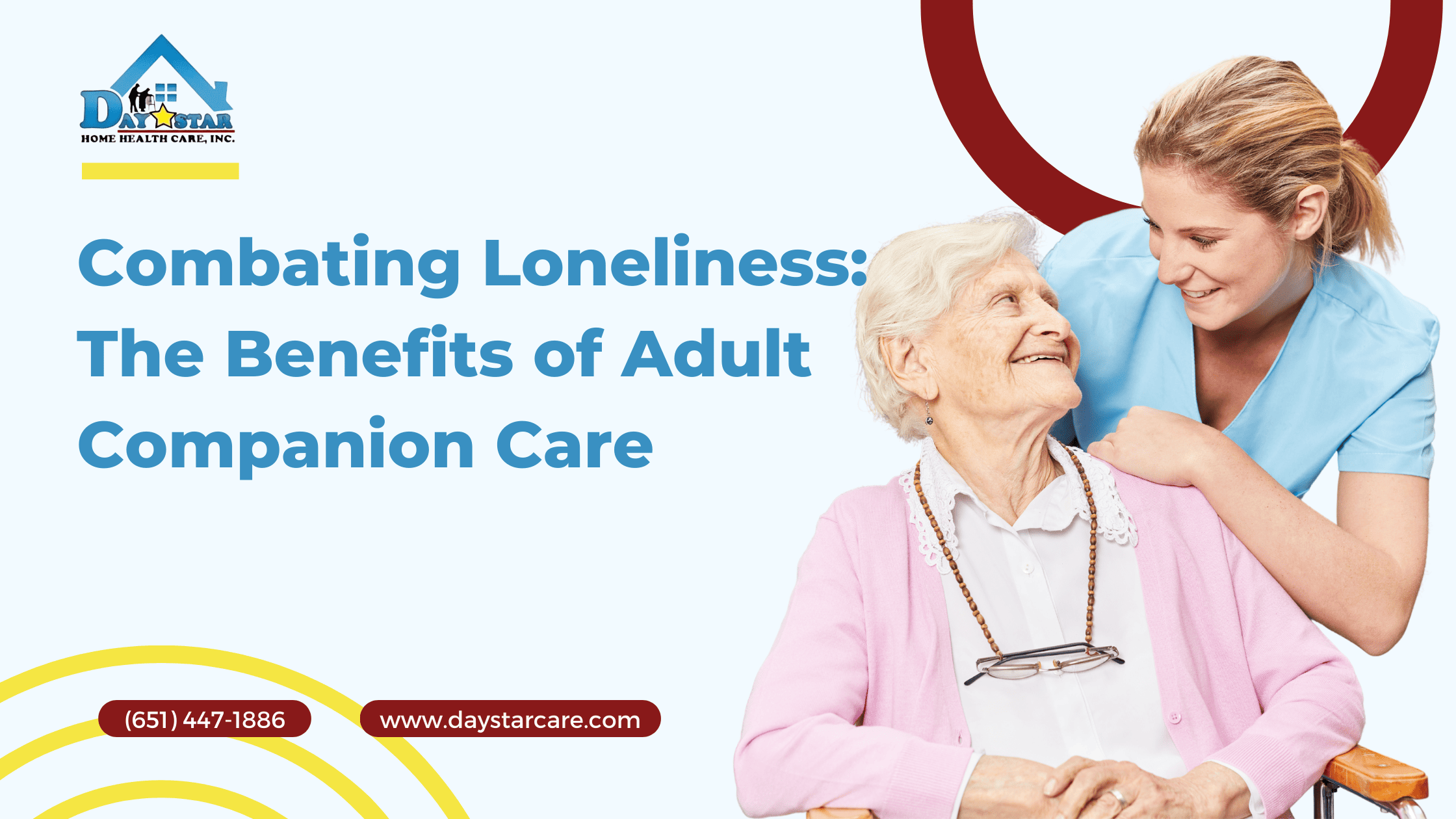
Adult companion care focuses on building connections through everyday activities. Instead of structured medical care, it emphasizes emotional support and engagement, helping individuals feel valued and connected.
- Consistent Conversation: Regular interaction helps reduce feelings of loneliness and builds emotional comfort
- Activity Engagement: Encourages hobbies, games, or walks that improve both mood and mental stimulation
- Emotional Support: Caregivers build trust through companionship and attentive listening
- Routine Development: Structured visits help maintain a predictable and comforting daily schedule
These benefits highlight why choosing the right companion care provider is essential.
Finding the Right Companion Care Support in Minneapolis, MN: Matching care services with real-life needs
Choosing the right care provider ensures that companionship is consistent, meaningful, and tailored to individual preferences. In Minneapolis, families often look for services that combine flexibility with professional support.
- Personalized Care Plans: Services are adapted to match individual routines and emotional needs
- Flexible Scheduling: Care can be arranged daily or weekly based on lifestyle requirements
- Professional Caregivers: Trained staff provide safe and respectful companionship
- Local Understanding: Providers familiar with Minneapolis offer more relevant and accessible care
Explore adult companion care services in Minneapolis, MN to find reliable support designed for local families.
Selecting the right care also connects with understanding cost considerations.
Planning Companion Care Costs in Minneapolis: Understanding what influences long-term care decisions
Cost planning is key when choosing companion care. Knowing what affects pricing helps families create sustainable care solutions without compromising quality.
- Care Duration: Longer hours of companionship naturally increase total care costs
- Frequency of Visits: Regular daily visits differ in cost compared to occasional support
- Level of Engagement: More active companionship may require additional time and resources
- Local Service Demand: Availability of caregivers in Minneapolis can influence pricing variations
With costs in mind, the next step is to understand which activities make companion care effective.
Daily Activities That Strengthen Connection and Well-Being: Bringing purpose into everyday care routines
Companion care is built around meaningful activities that improve emotional and mental health. These activities help transform routine days into engaging experiences.
- Conversation and Social Interaction: Regular discussions help maintain emotional connection and mental clarity
- Light Household Support: Small tasks create a sense of productivity and involvement
- Recreational Activities: Games, reading, or hobbies help maintain cognitive engagement
- Appointment Assistance: Support for outings keeps individuals socially and physically active
These activities reduce loneliness, but avoiding common mistakes is equally important.
Avoiding Common Gaps in Emotional Care: Ensuring companionship remains consistent and effective
Even with good intentions, certain gaps can reduce the effectiveness of companion care. Recognizing these helps improve overall outcomes.
- Inconsistent Visits: Irregular care disrupts routines and reduces emotional connection
- Ignoring Emotional Needs: Physical assistance alone does not address loneliness
- Limited Engagement: Lack of activities reduces the benefits of companionship
- Delayed Support: Waiting too long to seek help can worsen isolation
Avoiding these gaps helps families understand how companion care works in real-life situations.
How Companion Care Fits into Real Life in Minneapolis: Seeing its impact across different home care situations
Companion care adapts to different lifestyles and needs, making it a flexible solution for many households in Minneapolis.
- Seniors Living Alone: Benefit from regular interaction and emotional reassurance
- Post-Recovery Individuals: Gain motivation and support during healing periods
- Busy Families: Rely on caregivers to maintain consistent engagement for loved ones
These real-life situations lead to the development of long-term care strategies.
Building Long-Term Emotional Well-Being Through Consistent Care: Creating stability through companionship
Sustainable emotional health requires consistent routines and meaningful interaction. Companion care helps maintain this balance over time.
- Daily Engagement: Regular interaction keeps individuals mentally active and emotionally stable
- Routine Consistency: Predictable schedules create comfort and reduce anxiety
- Ongoing Monitoring: Caregivers notice early signs of mood or behavior changes
- Supportive Environment: Encourages independence while providing reassurance
These practices connect naturally with additional care services available locally.
Expanding Support Beyond Companionship in Minneapolis, MN: Combining services for complete home care
Companion care works best when combined with other support services that address physical and daily living needs.
- personal care assistance in Minneapolis supports hygiene and daily routines alongside companionship
- homemaking services help maintain a clean and organized living space
- respite care services provide relief for family caregivers while maintaining consistent care
- independent living skills support promotes confidence and self-sufficiency
Explore home care services across Minneapolis and nearby areas and locate the provider using Day Star Home Health Care on Google Maps.
Frequently Asked Questions: Helping families in Minneapolis make confident companion care decisions
Choosing companion care often raises important questions about how it works and who benefits the most. These answers provide clarity for making informed decisions.
1. What does adult companion care include?
Adult companion care focuses on emotional support, conversation, and engagement in daily activities. Services like adult companion care support help individuals stay socially connected and mentally active.
2. Who benefits most from companion care?
Seniors living alone, individuals recovering from illness, and those experiencing isolation benefit greatly. Companion care improves both emotional well-being and daily motivation.
3. How often should companion care be provided?
Care frequency depends on individual needs, but regular visits are more effective in reducing loneliness. Consistency helps build trust and maintain engagement.
4. Can companion care be combined with other services?
Yes, companion care can be combined with services like personal support services in Minneapolis to create a more complete and balanced care plan.
Get Compassionate Adult Companion Care From Day Star Home Health Care in Minneapolis, MN: Build meaningful connections at home
Loneliness can gradually affect daily life, but the right support can restore connection and confidence. Companion care helps individuals feel valued while maintaining independence at home. Day Star Home Health Care provides trusted adult companion care services across Minneapolis, MN. Their caregivers focus on building meaningful relationships while supporting daily routines and emotional well-being.
📍 Address: 3446 Snelling Ave #3446, Minneapolis, MN 55406
📞 Call: 651-447-1886
📧 Email: info@daystarcare.com
🌐 Explore Day Star Home Health Care companion care services to get started
Taking the first step toward companionship is about creating connection, improving well-being, and making everyday life more engaging and fulfilling.