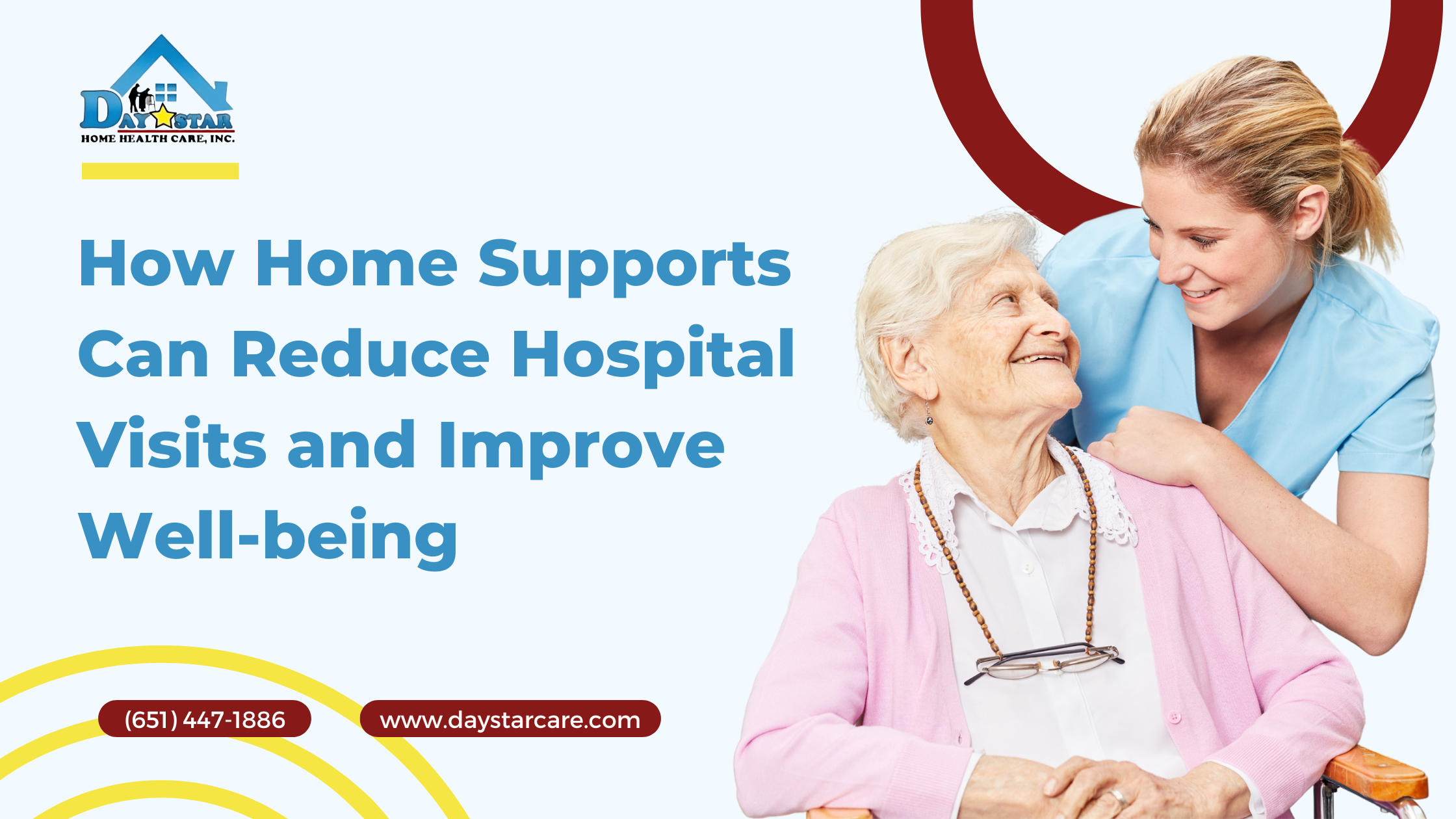
Serving Minneapolis and St. Paul with coverage across the Twin Cities, including Hennepin County and Ramsey County. Families often find that home supports are more than convenience. They are essential for safety, stability, and preventing unnecessary medical emergencies. By starting with individualized home supports, many people avoid hospital visits and enjoy better daily well-being.
TLDR: Quick Facts
- Home supports keep adults safe and independent at home
- In home supportive services reduce falls, stress, and risks
- Individualized home supports adapt to personal goals
- IHS Minnesota options provide flexibility and independence
- Families across the Twin Cities report fewer emergencies
What are home supports and how do they help
Home supports are in home support services that cover daily tasks, social connection, and safety. They are non-medical but provide structure and security at home. Options range from personal care assistance to homemaking services, giving individuals the chance to live safely with consistent support.
Signs you may need home supports
Families often notice changes before emergencies happen. Common signs include:
- Missed medications or appointments
- More frequent falls or small accidents at home
- Skipped meals or limited groceries in the kitchen
- Increasing isolation or low mood
- Caregiver stress becoming difficult to manage
When these appear, in home support service options can prevent problems before they require hospital care.
How do in home support services reduce hospital visits
The connection between home supportive services and fewer hospital visits is clear.
- Medication reminders prevent missed doses
- An ihs worker can catch early warning signs
- Semi independent living services reduce risks from unsafe home setups
- Consistent routines improve overall health
- Companionship reduces stress, which impacts physical well-being
These supports lower the chance of emergencies, especially for seniors and adults living independently.
What individualized home supports include
Individualized home supports, also known as IHS services, are tailored to personal needs and available through ihs Minnesota (ihs mn). They balance independence with reliable help.
IHS services can include:
- Building daily living skills step by step
- Guidance for community activities
- Personal support to achieve independence goals
- Check-ins from a trained ihs worker
- Flexible planning that adapts over time
Learn more about individualized home supports or explore ICLS services for additional skill-focused care.
IHS vs ICLS
IHS in Minnesota focuses on in home supportive services and community participation. ICLS focuses more on daily living skills training and structured routines. Families often use both together depending on goals.
Emotional well-being with in home supportive services
Health is not only physical. Stress and isolation can trigger health decline. In home supportive services create balance by adding companionship, activity, and daily structure.
Day Star Care provides adult companion care, personal support, and respite care for families so everyone feels supported. These in home supportive services act as a flexible in home support service that adjusts as needs change.
Activities and outings
Home support services include engaging activities that help clients stay active and connected. Examples include:
- Walks in neighborhood parks such as Longfellow, Powderhorn, and Nokomis
- Reading, puzzles, or card games together
- Library programs in Highland Park or Como
- Shared meals and meal preparation support
- Transportation to social events, worship services, or appointments
For example, an ihs worker might set a weekly pillbox and reminders, then join a client at the Longfellow Library for community programs. These small steps prevent bigger health risks.
How it works
Starting services with Day Star Care is simple.
- Schedule a call or request a visit online
- Complete an in-home assessment in Minneapolis and St. Paul
- Set goals and select services such as night supervision or 24 hour emergency assistance
- Match with an ihs worker and confirm the schedule
- Begin services and review progress monthly
As part of our home support services, your ihs worker also coordinates reminders and simple safety check-ins. Most families begin within a week.
Frequently asked questions
What are home supports in Minnesota
They are non-medical services like personal care, homemaking, and individualized home supports that keep people safe and supported at home.
How do in home support services reduce hospital visits
They prevent accidents, provide companionship, and help maintain routines that lower risks.
What is the difference between individualized home supports and ICLS
IHS covers in home supportive and community services, while ICLS focuses on skill training and structured routines.
How quickly can services start in Minneapolis and St. Paul
Families often start within days after an in-home assessment.
What does an ihs worker do
An ihs worker provides support with routines, skill building, and safety monitoring to prevent emergencies.
How do families pay for services
Some families use waiver programs, while others choose private pay. We help review funding options during the first call.
Taking the next step
If your goal is fewer hospital visits and a steadier daily routine, home supports in Minneapolis and St. Paul can help. Explore independent living skills or begin with individualized home supports.
Contact Day Star Care to talk to a coordinator and schedule a same-week introduction.